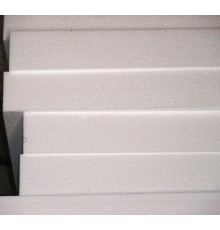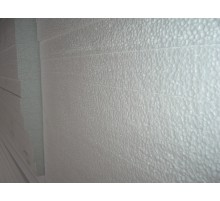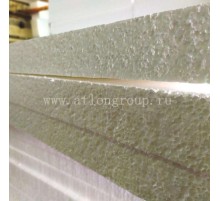
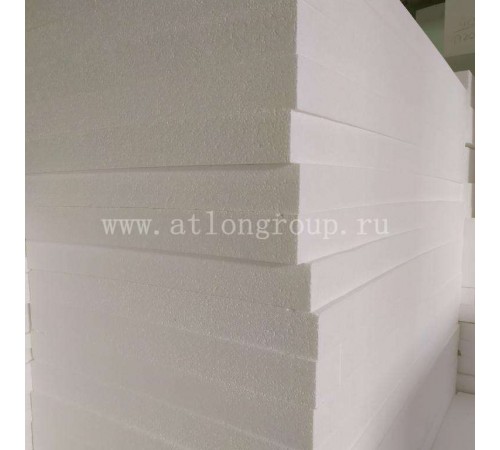


- ModelT-007
- BrandАтлон
- Weight14 kg
- For the floorNo load
- For wallsNo load
- Cubic meterEd. ed.
- All the features
What is the difference between PPS 14 and other brands of expanded polystyrene?
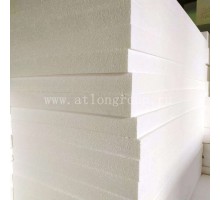
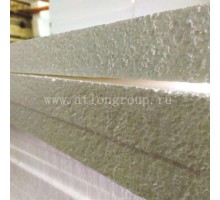
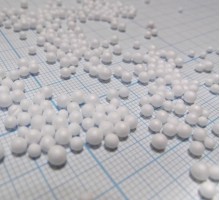
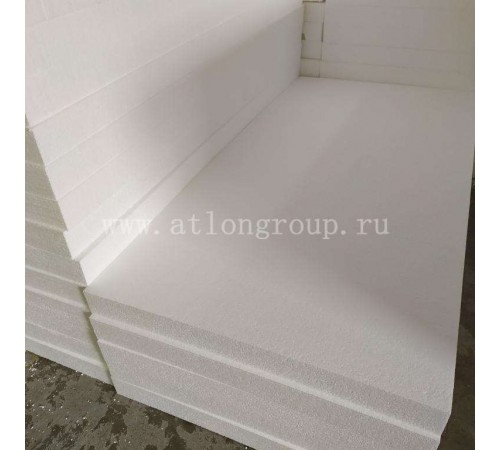
Expanded polystyrene (PPS) or styrofoam is a popular thermal insulation material that is widely used in construction.
Like many insulation materials, it has different brands, each of which has its own unique properties.
The specific density of PPS 14 is 14 kg/m3. It is denser than the tenth, twelfth and thirteenth grades, respectively, stronger and more resistant to physical and mechanical influences. At the same time, for the application of a serious load, for example in floors under a screed, it has insufficient compressive strength. For these purposes, there are more dense grades, for example, PPS 20, 23, 25.
In terms of performance and price, PPS 14 is one of the best and most widely used brands in construction.
Expanded polystyrene PPS 14 GOST is more often used:
- in the thermal insulation of walls, in well masonry (for example, between the main wall and the cladding);
- insulation of floors without load (for example, an attic room);
- wall insulation (interior and exterior, without plaster on the grid);
- when insulating floors (for example, between rough and finished floors along the support logs);
- for insulation of attic floors, outbuildings;
- in houses for temporary accommodation, construction cabins;
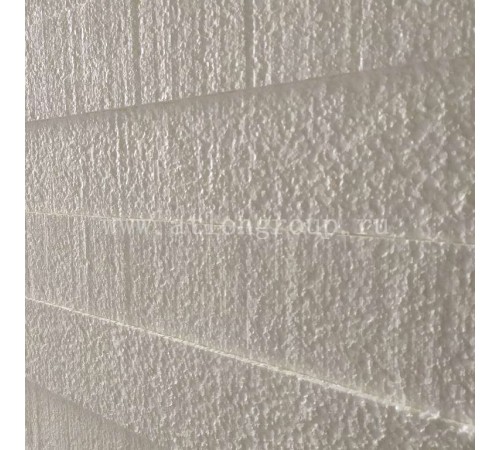
- in the manufacture of decorative elements;
- in the package.
If the task is to create a thermal insulation barrier in places where the material will not be subjected to significant pressure or mechanical stress, then PPP 14 can be an economically profitable and effective solution. Its lightness and ease of handling can also be an advantage in certain installation scenarios.
The thermal conductivity of PPS 14 is within the standard values for foam. As a rule, the lower the density, the slightly higher the thermal conductivity, but the difference between brands with similar densities is not significant. In general, styrofoam remains one of the best thermal insulators. The difference in density affects the mechanical properties rather than the ability to retain heat.
However, when it comes to structures bearing significant loads, such as foundations, floors or roofs, where durability and resistance to deformation are important, choosing denser grades of foam becomes a prerequisite for ensuring the reliability and safety of the entire structure.
If your task is to insulate floors for screed, underfloor heating, or the like, then we suggest considering denser grades of foam (starting from PPS 20 to PPS 35 inclusive). They have significantly higher compressive strength and are able to withstand heavy loads.
When buying styrofoam, it is always worth clarifying its characteristics. To make the right choice for your construction project, we recommend that you consult our company's specialists. Ultimately, a competent selection of the foam brand guarantees not only effective insulation, but also durability and reliability of the structures being built.
The size of the PPS styrofoam slabs is 14
The main sheet formats are 4000*1000 mm, 2000*1000 mm, 1000*1000 mm, 1000x800 mm, 1000x600 mm, 1000x500 mm. The thickness is by agreement.
Applicability
- For the floorNo load
- For wallsNo load
Unit of measurement
- Cubic meterEd. ed.
There are no reviews for this product.
No questions about this product.